Homeowners’ roadmap for reliable comfort across seasons
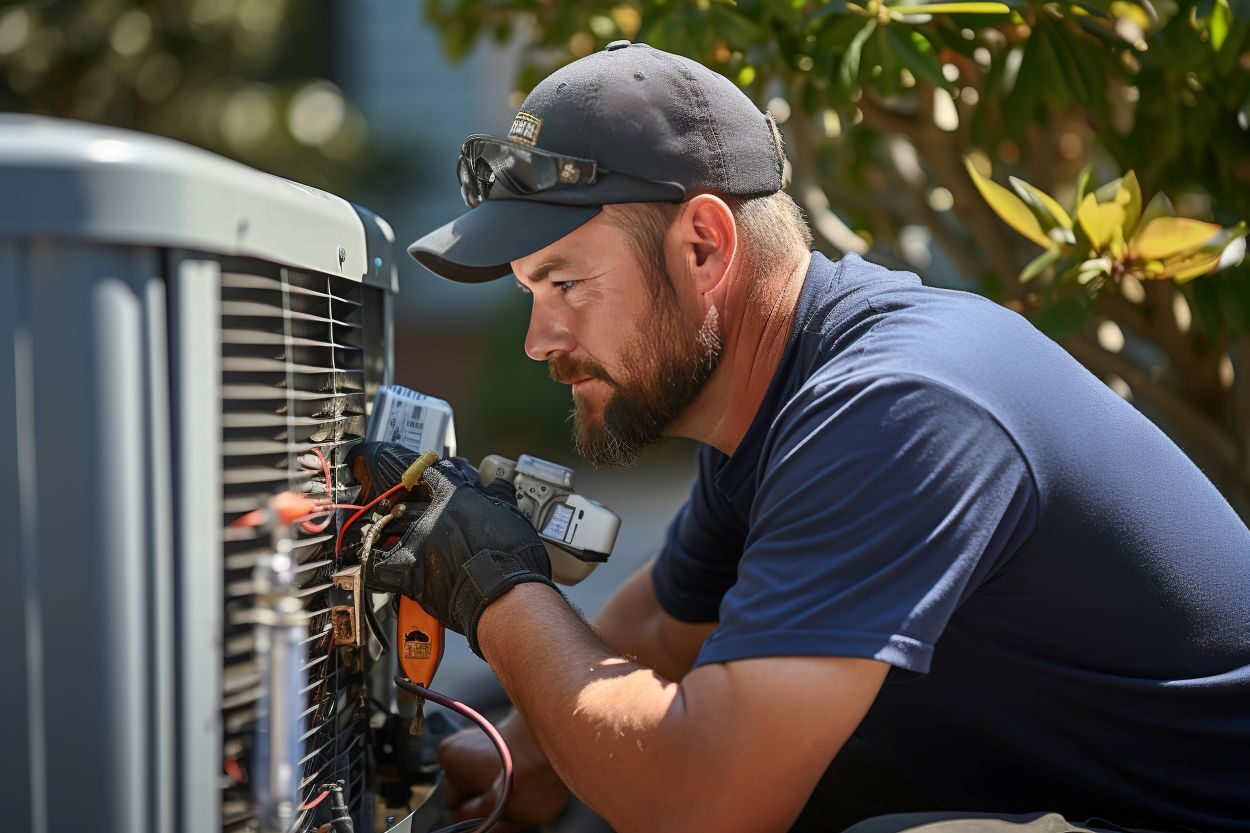
Homeowners benefit from viewing heating and cooling as a single system that must be assessed as a whole. Start by mapping the age, capacity, and condition of each component—outdoor condenser, indoor coil, furnace or air handler, ductwork, and controls. This baseline lets you align expectations for comfort, energy use, and noise. It also frames when AC Repair or Furnace Repair makes sense versus replacing aging parts to avoid compound failures.
Meanwhile, airflow is the quiet hero of comfort. Many issues blamed on equipment actually stem from static pressure, undersized returns, or leaky ducts. Have a technician verify duct sizing, seal leaks, and validate register placement. Small adjustments can stabilize room-to-room temperatures. When ducts are contaminated or airflow is obstructed, professional Duct Cleaning can restore performance and support healthier breathing conditions without changing the equipment itself.
Beyond that, think in phases. If your cooling side is nearing end of life but the furnace still has runway, plan staged upgrades. AC Installation paired with a properly matched coil can extend furnace usefulness while preparing for a future heater change. In mixed-climate homes, Heat Pumps offer efficient heating and cooling from a single unit, easing future decisions and simplifying service touchpoints across the year.
Often, installation quality drives more outcomes than model tiers. Insist on a detailed scope covering line set practices, evacuation and charging, drain slope, and electrical protections. Ask how the crew will inspect for refrigerant leaks and confirm airflow in every operating mode. Good installers document readings on startup so you can compare later service visits and spot drift early, preventing nagging comfort complaints from becoming systemic issues.
Then, shift attention to controls. Smart thermostats add value only when programmed to your schedule and equipment type. Heat pump lockout setpoints, fan runtimes, and dehumidification options should be calibrated to regional humidity and insulation quality. Zoning can help multi-story homes, but it requires dampers sized to maintain safe airflow. Mismatched settings create short cycles, higher bills, and uneven rooms that seem like equipment problems.
However, maintenance remains the backbone of longevity. HVAC Maintenance isn’t just about filters; it’s about validating refrigerant charge, checking combustion safety, tightening electrical connections, and cleaning coils before efficiency drops. Seasonal tune-ups catch small issues—worn capacitors, weak igniters, marginal bearings—before peak weather exposes them. Document findings each visit to build a history that informs timing for Furnace Installation or other proactive replacements.
In practice, Indoor Air Quality strategies should be layered to target specific concerns. Start with filtration that matches your system’s blower strength to avoid choking airflow. Add humidity control where necessary to buffer seasonal swings. Ultraviolet lights and air cleaners can supplement, but sealing envelope leaks and improving ventilation habits often move the needle further, especially in homes with fluctuating occupancy or pets.
Assess budget by lifecycle, not just purchase price. A lower upfront option might require earlier replacement, more repairs, or higher energy use. Compare anticipated service intervals, warranty coverage, and parts availability. When planning for a Ductless Mini-Split, account for wall space, condensate routing, and outdoor clearances. The right layout reduces noise, simplifies service access, and keeps aesthetics tidy without sacrificing performance.
Inspect your home’s electrical and structural readiness before any major upgrade. Clear work areas, verify panel capacity, and plan pad placement that avoids flood-prone spots. Discuss crane access or tight side yards if equipment must pass through narrow gates. Sequencing deliveries, permits, and disposal keeps the project on time. Good logistics minimize downtime so you aren’t left juggling temporary heating or cooling during extreme weather.
Finally, build a steady rhythm after install. Replace filters on schedule, keep vegetation trimmed around condensers, and listen for new sounds that suggest imbalance. Schedule pre-season checks before the rush to secure timely service. When issues arise, describe symptoms precisely—timing, noises, smells, and which rooms feel off. Clear communication helps technicians target root causes quickly, preserving comfort and controlling total ownership costs year after year.